The major milestones in the history of the FNRS
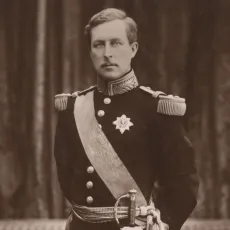
"The public does not understand enough among us that pure science is the indispensable condition of applied science and that the fate of nations which neglect science and scientists is marked for decadence." 

King Albert I - Speech in Seraing, October 1st, 1927.

The origins

This royal speech gave the decisive impetus to the creation of the FNRS, at that time named "FNRS" (National Fund for Scientific Research): less than a year later, on April 27, 1928, the FNRS was in fact created as a public utility foundation by a group of scientists and industrialists and placed under the direction of Émile Francqui, knight of industry, patron and great moral figure of Belgian civil society. In just three months, one hundred million Belgian francs were donated to the FNRS by patrons, but also by ordinary individuals: a real national boost in favor of scientific research.

State involvement

After the Second World War, the FNRS gradually adapted its structures to the new realities of the Belgian and international political landscape, but above all to the exponential increase in scientific knowledge.

To meet the challenge of internationalizing research, the FNRS benefited from recurring subsidies from 1947 - before this State intervention, the financial resources of the FNRS were limited solely to income from its assets. 

Adaptation to the needs of society

During the fifties and sixties, the FNRS received the supervision of several specialized and complementary scientific institutions: the Associated Funds. In 1994, the Fund for Research Training in Industry and Agriculture (FRIA) was added.


The gradual transformations of Belgium into a federal state were integrated into the structures of the FNRS, which became the F.R.S.–FNRS, today dedicated to the development of research in the Wallonia-Brussels Federation.

Today

A public utility foundation, more than 90% financed by public funds, the F.R.S.–FNRS supports the development of fundamental research in the Wallonia-Brussels Federation. To do this, it strengthens the training of individual researchers and finances research programs mainly in French-speaking universities in Belgium.
Consult the brochure created for the 90th anniversary of the FNRS

The History of the FNRS in More Detail

The years 2020

2025

The Quinquennial FNRS Awards recognize 6 outstanding research projects.
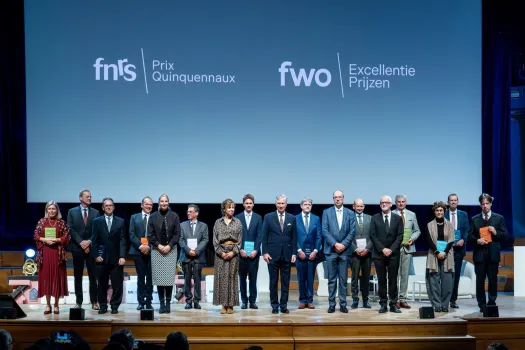
These prestigious awards, given every five years by the FNRS, were presented today by King Philippe to one female researcher and five male researchers from the Wallonia-Brussels Federation. They confirm international recognition and crown the exceptional career of these scientists in all disciplines. The Excellentieprijzen of the FWO, the equivalent of the FNRS in Flanders, were also awarded today by His Majesty the King.

2025

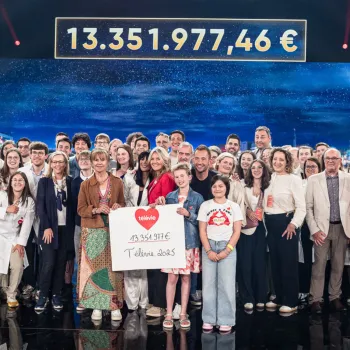
A record amount for Télévie!
A huge thank you! The 2024-2025 edition of Télévie raised €13,351,977.46 for cancer research, a record since the operation began.

2025

PeriScops, the portal for scientific publications – Wallonia & Brussels
This new site offers a high level of performance in search functions, great readability of its content, and excellent bibliographic identification. It serves as a true showcase of French-speaking Belgian research.

2024

FNRS.days: Meeting the Universities
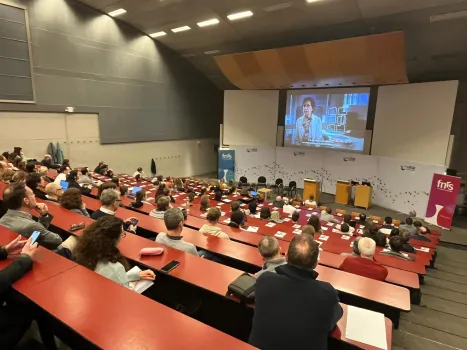
In March and April, the FNRS organized its FNRS.days at the five universities of the Wallonia-Brussels Federation. Objectives: to answer the questions of (future) researchers but also to present the functioning of the FNRS, its funding instruments, its governance structures, the organization of its calls, and the functioning of the Scientific Commissions and Juries, etc.

2024

CERN and Belgium: 70 years of cooperation and investment for the benefit of science
On November 27th, FNRS, in collaboration with FWO and on behalf of Belgium, organized an official event at the Palais des Académies to mark the 70th anniversary of CERN. It was an opportunity to reflect on seven decades of cooperation between Belgium and the European Organization for Nuclear Research and to highlight the contribution of the Belgian research community.

The Director-General of CERN, Fabiola Gianotti, honored us with her presence. Nobel Prize laureate François Englert was also present. Belgian researchers collaborating with CERN discussed the ISOLDE and CMS experiments as well as the transfer of technology and knowledge made possible by CERN.
2023

Agreement on the Reform of the Research Evaluation System (ARRA)
As a signatory of the Agreement on the Reform of Research Assessment (ARRA) since June 2023, the FNRS is actively committed to the evolution of evaluation practices. In accordance with its commitments, the FNRS adopted, at its Board of Directors on April 9, 2025, an Action Plan that outlines, over a period of five years, concrete actions to align with the ten fundamental commitments of the ARRA.

The Director-General of CERN, Fabiola Gianotti, honored us with her presence. Nobel Prize laureate François Englert was also present. Belgian researchers collaborating with CERN debated the ISOLDE and CMS experiments as well as the transfer of technologies and knowledge made possible thanks to CERN.

2023

The first call for WelCHANGE FNRS is open
This new program funds projects in the Humanities and Social Sciences with potential societal impacts.

2022

First Gender Equality Plan of the FNRS (2022-2025)

The Board of Directors of the FNRS on April 25, 2022, adopted the first "FNRS Gender Equality Plan." This plan was drafted by a cross-disciplinary working group on gender. The time has now come for the implementation of this plan.

2022

The FNRS signs the DORA Declaration
The DORA declaration or "San Francisco Declaration on Research Assessment" (www.sfdora.org) consists of a set of recommendations regarding best practices in the evaluation of scientific research. For funding agencies like FNRS, this involves placing less weight on the names (and Impact Factor) of journals in which researchers' work is published during the evaluation. Indeed, the average impact of a journal, its level of prestige, or its Impact Factor, for example, do not necessarily predict the quality and real impact of an article published in it. However, peer reviewers often tend to consider the names and Impact Factors of journals where a researcher’s work is published as indicative in themselves of the quality of the researcher’s work in question.

The FNRS has therefore just signed this declaration. This provides an opportunity to make a modification in the 2022 Bourses and Mandats call: candidates for Chargés de recherche and Chercheurs Qualifiés positions were invited to attach the 5 most representative publications of their career to their application dossier (which until now had to only be listed and justified in the scientific part of the application dossier).

2021

The FNRS Builds Links with Germany (DFG) and Flanders (FWO) through the Weave Initiative

Starting in 2022, new opportunities for collaboration with the Deutsche Forschungsgemeinschaft (Germany) and the FWO (Research Foundation Flanders) will be available to French-speaking Belgian researchers within the European initiative Weave "Research Funding Without Borders." This initiative, of which the FNRS is a founding member, brings together several European research funding agencies that have decided to mutually open their project funding tools.

2021

FNRS Quinquennial Prizes Award Ceremony
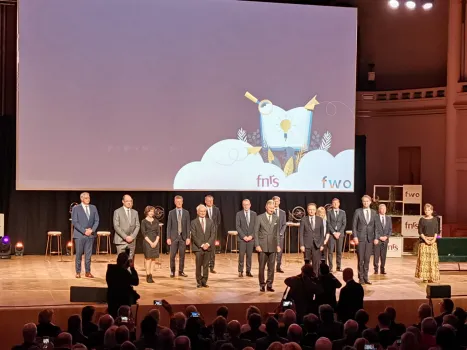
On 4 October 2021, the FNRS Quinquennial Prizes 2020 Award Ceremony took place at Bozar, in the presence of His Majesty the King.
• The Prize in Clinical Biomedical Sciences (Joseph Maisin Scientific Prize) was awarded to Patrizio Lancellotti, Professor at the University of Liège and Head of the Cardiology Department at the Liège University Hospital (CHU de Liège), for his major contribution to the field of valvular heart diseases.
• The Prize in Fundamental Biomedical Sciences (Joseph Maisin Scientific Prize) was awarded to Jean-François Collet, Professor at UCLouvain – Université catholique de Louvain and Co-Director of the de Duve Institute, who uncovered new fundamental cellular mechanisms.
• The Prize in Human and Social Sciences (Ernest-John Solvay Scientific Prize) was awarded to Vassilis Saroglou, Professor at the Institute of Psychology at UCLouvain – Université catholique de Louvain, for his bold and innovative work in the field of the psychology of religion.
• The Prize in Applied Exact Sciences (Dr A. De Leeuw-Damry-Bourlart Prize) was awarded to Jean-Christophe Charlier, Professor at the École polytechnique of UCLouvain – Université catholique de Louvain, for his pioneering work on graphene.
• The Prize in Fundamental Exact Sciences (Dr A. De Leeuw-Damry-Bourlart Prize) was awarded to Véronique Dehant, Head of Department at the Royal Observatory of Belgium and Adjunct Professor at UCLouvain – Université catholique de Louvain, whose discoveries have contributed to numerous space missions.
2021

The FNRS Contributed to the Creation of the Higher Committee for Scientific Integrity (CSIS), Officially Announced by the Royal Academies of Belgium on 30 June 2021
The CSIS is established within the Academies (ARMB and ARB). It consists of a Supervisory Committee and an Advisory Committee.

2020

Coronavirus: The FNRS Allocates €3 Million to Research
The FNRS Allocates €3 Million to Research!
In response to the health crisis, the FNRS has decided to fund a double call for projects aimed at mobilising the scientific communities of the Wallonia-Brussels Federation and supporting their contribution to the international efforts currently underway.
2020

A Very Unusual Year…
The year 2020 was truly an unusual one for research, science, and the FNRS.
Marked, of course, by COVID-19, it was a year during which scientific research was both exceptionally called upon and profoundly disrupted. It nevertheless provided an opportunity to demonstrate research’s resilience, responsiveness, availability, richness, and effectiveness…
The years 2010

2019

www.frs-fnrs.be/dons

December 2019, fundraising visibility campaign on RTL and Bel-RTL (15 researchers highlighted)

2019

WELBIO Researchers’ Kick-off Event
October 2019 – First Welcome Event for New WELBIO Researchers, Held at the Théâtre de Namur, in the Presence of Minister Willy Borsus

2019

FRQ–FNRS Meeting
October 2019 – Organisation of an Academic Session with Our Partners from the Fonds de Recherche du Québec, at the University Foundation, on the Occasion of the Second Joint Call for Projects

2019

ORCS
June 2019: First Public Report by the ORCS on the Career Paths of PhD Graduates

2019

PDR Théma
Launch of the PDR Thema Call on Cardiovascular Diseases, Funded Thanks to a Significant Bequest Recently Received, with the Donor’s Clear Intention to Support Research in This Field.

2019

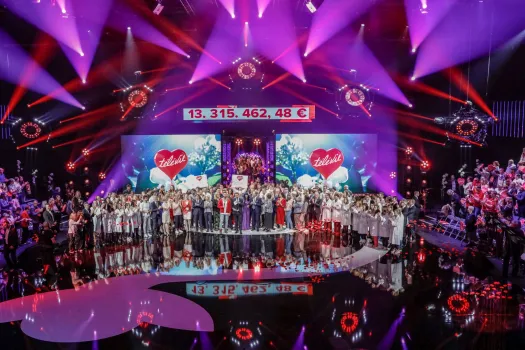
Télévie
April 2019: Record Broken for the Télévie Campaign! More than €13 Million Raised

2019

ClimaX
In April 2019, the FNRS took concrete action for the climate: €20 million to combat global warming.

2019

FNRS.days
In January 2019, the FNRS began its tour of French-speaking universities.
With multiple objectives: to meet its researchers (current, former and future), answer their questions and concerns, and foster a range of debates (What mission(s) for an FNRS researcher? What difference(s) between an FNRS research fellow and an academic staff member? What place for fundamental research? Open Science — how should it be implemented? What role do women currently hold in research, and what role should they hold?).
2019

Observatory for Research and Scientific Careers

In 2018, the Government of the Wallonia-Brussels Federation approved funding for the creation of an Observatory for Research and Scientific Careers, hosted by the Fonds de la Recherche Scientifique (FNRS).

2018

Phare 20.25
Following PHARE I and PHARE II, the F.R.S.-FNRS adopted the PHARE 20.25 strategic plan. This plan is both ambitious and concrete. Investing more in fundamental research is more than ever a decisive condition for our future.

The F.R.S.-FNRS has defined six quantified priorities, both in terms of their objectives and their budgetary impact. For each of them, contextual elements provide perspective by relating the priority to the current situation and the identified needs.
2018

Creation of the Research Fund in the Arts
The new Fund dedicated to research in the arts is intended to enable the higher schools of the arts of the Wallonia-Brussels Federation to establish a close link between research and arts education.

Variante légèrement plus élégante :

The new Fund dedicated to research in the arts aims to strengthen the connection between research and arts education within the higher schools of the arts of the Wallonia-Brussels Federation.

2017

Cooperation Agreement
with the Swiss National Science Foundation (SNSF)

2016

Cooperation Agreement
with the Fonds de recherche du Québec (FRQ)

2016

Launch of the EOS Program - Excellence of Science
The F.R.S.-FNRS and the FWO are joining forces to foster in-depth research collaboration between the Communities through the EOS programme, which succeeds the former federal Interuniversity Attraction Poles.

The EOS programme aims to promote joint research between researchers from the Flemish and French-speaking Communities by funding collaborative fundamental research projects across all scientific disciplines.

2015

Cooperation Agreement
with the Fundação de Amparo à Pesquisa do Estado de São Paulo (FAPESP, Brazil)

2014

Cooperation Agreement
with the National Research Foundation (NRF, South Africa)

2014

Adoption of PHARE II for the period 2015-2019
Following PHARE I, this new refinancing plan sets out an inventory of measures and priority areas aimed at addressing researchers’ needs.

2014

Cooperation Agreement
with the Fonds National de la Recherche Luxembourg (FNR, Grand Duchy of Luxembourg)

2013

Establishment of the Consultation and Negotiation Body of the F.R.S.-FNRS (OCN)

2013

Funding Decree
Decree on the Funding of the F.R.S.-FNRS and Its Associated Funds by the Wallonia-Brussels Federation

2013

François Englert, Nobel Prize in Physics
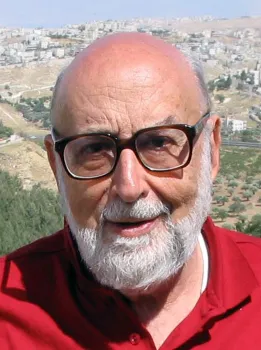
A Promoter of Numerous FNRS Researchers and Research Projects, François Englert Receives the Nobel Prize in Physics.

2013

Creation of the Strategic Fundamental Research Fund
The Strategic Fundamental Research Fund (FRFS) is a specialised associated fund of the F.R.S.-FNRS which, within the framework of a mission delegated by the Walloon Region, finances excellence-driven fundamental research in strategic areas:
• the axis dedicated to sustainable development, known as WISD;
• WELBIO, the strategic life sciences axis of the FRFS.

2012

Creation of the Fund for Research in the Humanities (FRESH)
Its objective is to support fundamental research in the humanities and social sciences, with particular attention to its societal impact.

2011

The F.R.S.-FNRS and the FWO Among the Seven Founding Members of Science Europe

The years 2000

2009

Publication of the PHARE I Refinancing Plan
Harmonisation and Action Plan for Research for the 2010–2014 Period

2008

Véronique Halloin, Secretary-General of the F.R.S.-FNRS
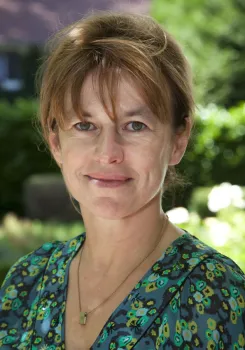
Appointment of Véronique Halloin as Secretary-General of the F.R.S.-FNRS and its associated funds.

2007

Creation of the European Research Council
The European Research Council (ERC) is a body of the European Union responsible for coordinating research efforts among EU Member States and the first pan-European funding agency for “frontier research.” It was officially established on 27 February 2007 as part of the Seventh Framework Programme.

2006

NCP-FNRS
Created in 2006, the National Contact Point hosted by the F.R.S.-FNRS (NCP-FNRS) aims to encourage universities in the Wallonia-Brussels Federation to participate in the European Commission’s Framework Programmes for Research and to support them in this process.

2005

Accord de coopération
avec le National Research Foundation of Korea (Corée du Sud).

2000

The Quinquennial Prizes Take Their Current Form
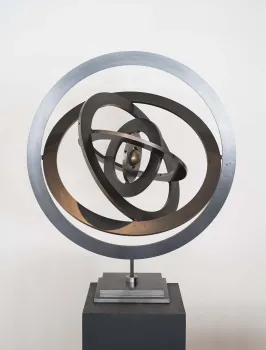
Two Dr A. De Leeuw-Damry-Bourlart Prizes (fundamental exact sciences and applied exact sciences), one Ernest-John Solvay Prize (human and social sciences), and two Joseph Maisin Prizes (fundamental biomedical sciences and clinical biomedical sciences).

The years 1990

1998

Cooperation Agreement
with the Ministerio de Ciencia, Tecnología e Innovación Productiva (Argentina)

1997

Cooperation Agreement
with the Czech Academy of Sciences (Czech Republic)

1994

Strengthened Collaboration with the CNRS
Strengthened collaboration with the CNRS through the creation of the Associated European Laboratory (LEA), “Structure and Function of Biomolecules,” bringing together laboratories in Lille, Brussels and Gembloux.

1994

Creation of the Fund for Research in Industry and Agriculture (FRIA)
FRIA fellowships are reserved for graduates of university education who intend to pursue a career in research in industry or agriculture and who, to this end, undertake doctoral studies at a university of the Wallonia-Brussels Federation.

1993

Cooperation Agreement
with the Magyar Tudományos Akadémia (Hungarian Academy of Sciences, Hungary)

1992

The FNRS Becomes the F.R.S.-FNRS and the FWO

With the progressive federalisation of the country, and as scientific research came under the responsibility of the Regions and Communities, the FNRS was divided along linguistic lines. The FNRS saw its statutes amended and was restructured into two independent entities: the F.R.S.-FNRS (Fonds de la Recherche Scientifique – FNRS) on the French-speaking side and the FWO (Fonds Wetenschappelijk Onderzoek) on the Dutch-speaking side.

1990

Cooperation Agreement
with the Polska Akademia Nauk (Polish Academy of Sciences, Poland)

1990

The National Lottery Contributes to the Funding

The National Lottery became one of the FNRS’s major patrons. Its donations fund equipment in university research laboratories and also contribute to the salaries of researchers as well as to research projects in the humanities and social sciences.

The years 1980

1989

Creation of the Télévie

Launch, at the initiative of RTL-TVi, of the Télévie, a fundraising campaign among television viewers for the benefit of the FNRS. The funds raised are allocated to research projects in the field of cancer, particularly childhood leukemia.

1988

The State Reform and the FNRS
Until the State reform of 1988, the FNRS fell under the National Ministry of Scientific Policy. With the law on the financing of the Communities and Regions of August 8, 1988, the Communities now each manage their own research and higher education budget.

1988

Marie-Josée Simoen, Secretary-General
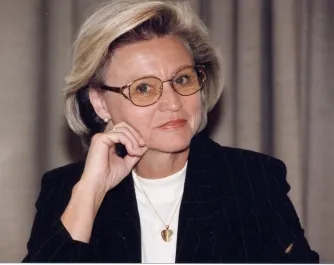
Appointment of Marie-Josée Simoen as Secretary-General of the FNRS.

1984

Cooperation Agreement
with the Consejo Nacional de Investigaciones Científicas y Técnicas (CONICET, Argentina)

1984

Cooperation Agreement with the NIH

A scientific cooperation agreement in the field of medicine was signed with the National Institutes of Health in Bethesda (USA).

1984

Cooperation Agreement
with the Conselho Nacional de Desenvolvimento Científico e Tecnológico (CNPq, Brazil)

1981-88

Numerous Cooperation Agreements
with various Chinese research organisations.

1980

Cooperation Agreement with the NSF
Signature of a scientific cooperation agreement in all fields (except medicine) with the National Science Foundation in Washington, USA.

The years 1970

1978

Expeditions to Greenland and Canada
The FNRS supports the expeditions led by Professor Louis Beyens in Greenland and Canada.

1977

Ilya Prigogine, Nobel Prize in Chemistry
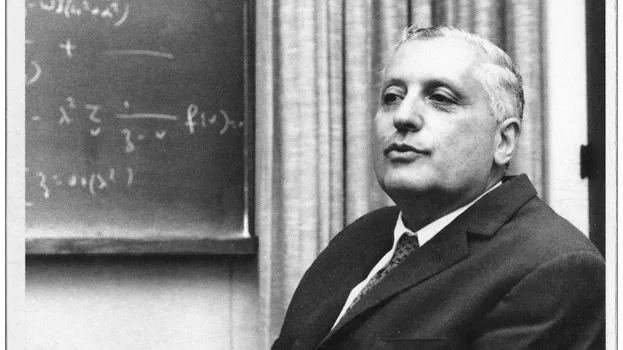
A promoter of numerous FNRS researchers and research projects, Ilya Prigogine received the Nobel Prize in Chemistry.

1977

Cooperation Agreement with the Japan Society for the Promotion of Science (JSPS)

1976

Creation of the Medical Ethics Committee
Creation of the Medical Ethics Committee within the Fund for Medical Scientific Research. It became a reference body in the field of ethics.

1974

Creation of a New Quinquennial Prize
Joseph Maisin Scientific Prize (Biomedical Sciences)

1974

Creation of the European Science Foundation (ESF)
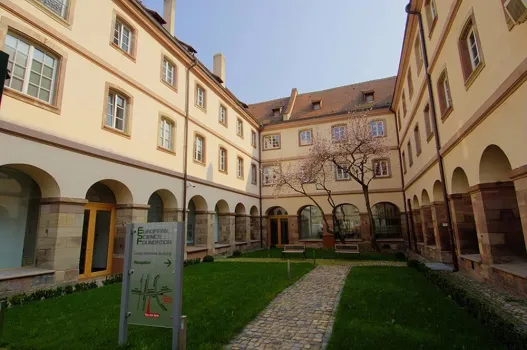
On 18 November 1974, the European Science Foundation (ESF) was established in Strasbourg. The FNRS was one of the 42 academies and research councils from 15 European countries at the heart of the ESF. Through the forum created within this framework, European scientific institutions and research councils were able to strengthen their collaboration and exchange their views on science policy.

1974

Christian de Duve and Albert Claude, Nobel Prize in Physiology or Medicine
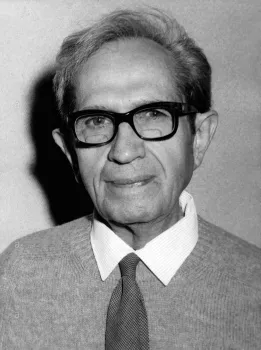
Christian de Duve, a former FNRS Research Fellow and promoter of numerous FNRS researchers and research projects, was awarded the Nobel Prize in Physiology or Medicine, together with Albert Claude, who had also supervised and supported various FNRS researchers and research projects.

1973

Change in the Status of FNRS Research Fellows
The status of FNRS Research Fellows was changed in 1973. From then on, Research Fellows were employed on the basis of a contract, which resulted in an increase in the cost of a Research Fellowship and consequently in fewer fellowships being awarded.

1972

New Buildings for the FNRS
The evolution of the university landscape and of scientific research required the FNRS to adapt its internal structure and, in 1972, the FNRS moved into new premises better suited to the requirements of the time.

The years 1960

1969

Linguistic parity
Linguistic parity was adopted not only within the scientific commissions (which were already operating on this principle), but also within the councils and administrative committees of the FNRS and its associated funds.

1967

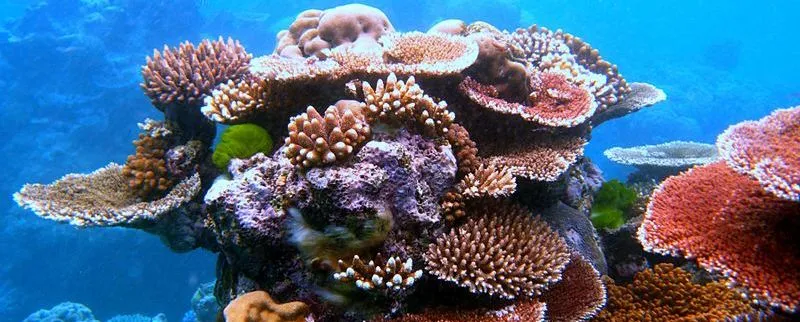
Belgian Expedition to the Great Barrier Reef
Following the cooperation that emerged between France and Belgium during the development of the bathyscaphe, the FNRS and the authorities of both countries joined forces to build a new bathyscaphe, the Archimède, which was launched in Toulon in 1961. At the same time, and again with the support of the FNRS, the Belgian Centre for Oceanography was created. It funded dives of the FNRS III and the Archimède, as well as research in sedimentology, paleobiogeography and biology.

1969

A New Secretary-General
Paul Levaux is appointed Secretary-General of the FNRS–NFWO and of the specialised associated funds.

1965

The University Expansion Act
The increase in the number of university students created organisational and structural challenges for higher education institutions. The University Expansion Act of 1965 profoundly transformed the university landscape and had a considerable impact on the functioning and importance of the FNRS.

1965

Creation of the Fund for Collective Fundamental Research (FRFC)
Creation of the Fund for Collective Fundamental Research (FRFC): in addition to training researchers to strengthen the ranks within universities, the FNRS can now fund research programmes proposed by these same researchers.

1965

Creation of Two New Quinquennial Prizes
The Baron Holvoet Prize (Human and Social Sciences) and the Ernest-John Solvay Prize (Human and Social Sciences)

1962

The Galapagos Islands
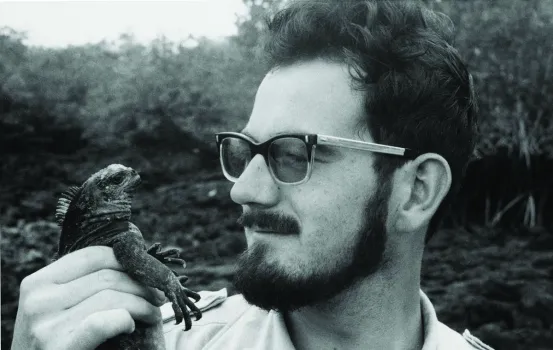
A geopédological mission funded by the FNRS was carried out in the Galápagos Islands at the initiative of Professor Paul De Paepe in order to conduct a first study of the soil.

1960

First Quinquennial Prize
In 1960, the FNRS awarded its first major Quinquennial Prize (Dr A. De Leeuw-Damry-Bourlart Prize) to recognise the research of some of the most eminent Belgian scientists.

The years 1950

1959

Creation of the National Council for Science Policy
The National Council for Science Policy was established in September 1959 with the mission of advising the Government on all matters relating to scientific research and higher education.

1958

Creation of the Fund for Medical Scientific Research (FRSM)
On 25 January 1958, the Fund for Medical Scientific Research (FRSM) was created and became an integral part of the FNRS.

1957

Exploration of the South Pole
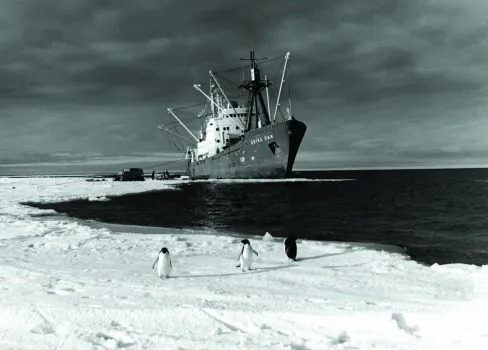
In collaboration with an international research team, Gaston de Gerlache undertook an expedition to the South Pole, with the support of the FNRS, to explore and map the region.

1955

First electronic calculating machine
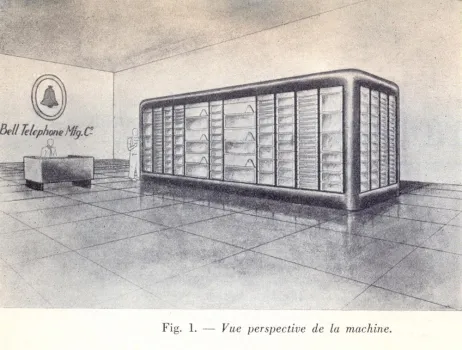
In 1946, the FNRS funded the training of two scientists in the United States to assess the possibility of building an electronic computing machine in Belgium. After several rounds of support and additional reinforcements, the first machine was inaugurated in Antwerp in 1955. This marked the beginning of computerisation, which would continue through collaboration between the FNRS and IBM.

1954

Creation of CERN
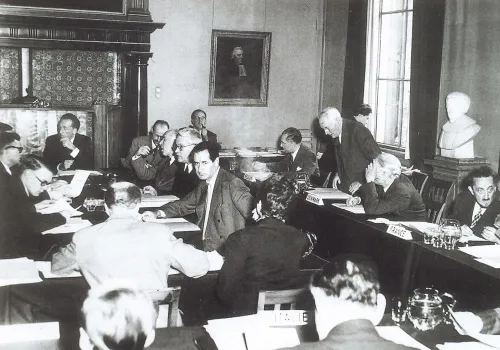
In the aftermath of the Second World War, scientific research in nuclear physics and discussions about its possible applications developed at lightning speed. The CERN (European Organization for Nuclear Research) was established in Geneva in 1954. Twelve Member States were involved, including Belgium. The founding act was signed for our country by Jean Willems, President of the FNRS.

1953

Design of the FNRS III
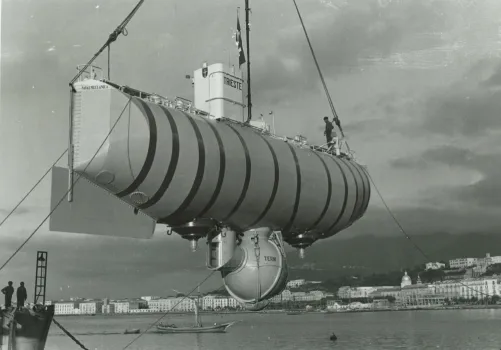
Following the experiments with Auguste Piccard’s bathyscaphe, the FNRS proposed to the French Navy — which had participated in the test expedition — that it take over the craft in order to help further develop it. An agreement was signed between France and Belgium in 1950, notably involving Commander Jacques-Yves Cousteau. In 1953, the third version of the project (FNRS III) was able to descend to depths of up to 2,100 metres and explore the seabeds of many seas and oceans.

The years 1940

1948

The First FNRS-2 Bathyscaphe
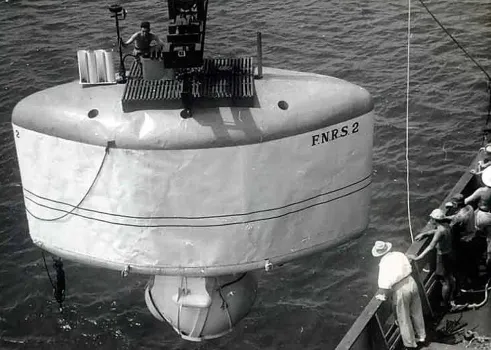
Building on the success of his stratospheric balloon, Auguste Piccard sought to apply his experience with airships to the exploration of the ocean depths. FNRS funding began in 1939 to test the equipment of the first bathyscaphe.

After the war, research resumed and the bathyscaphe FNRS 2 made its first outing in 1948. However, the test was not very conclusive, and it soon became clear that the scale of the project required further collaborations.

1947-60

Corneel Heymans, Nobel Prize in Physiology or Medicine
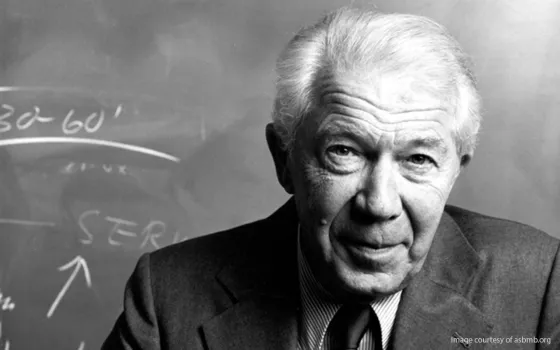
Awarded the Nobel Prize in Physiology or Medicine in 1938, Corneel Heymans and his institute were supported by the FNRS.

1947

Creation of the Interuniversity Institute for Nuclear Sciences (IISN)
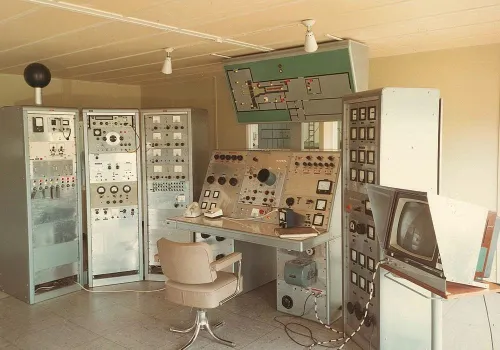
Aware of the importance of nuclear energy and also uranium in Congo, the FNRS established a committee in 1945 to study the scientific branch of nuclear physics. The Interuniversity Institute of Nuclear Sciences was created in 1947 and immediately received 10 million francs from the Government.

1947

First Government Funding
For the first time in 1947, the Government granted funding to the FNRS. Modest at the outset (5 million Belgian francs), the amount was doubled the following year and soon became the FNRS’s most important source of revenue.

On 2 April 1949, a law confirmed the need for recurring financial support from the State for the benefit of the FNRS.

1940-45

The FNRS During the Second World War
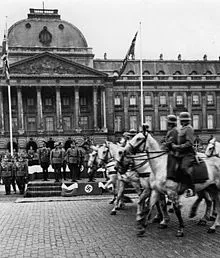
Like society as a whole, the scientific community suffered from the conditions of the war: a number of researchers were held as prisoners, international exchanges of knowledge were minimal, and those who tried to continue their work faced a severe shortage of resources and equipment.

The years 1930

1934

Expedition to Easter Island
The archaeologist Henri Lavachery submitted a request for funding to the FNRS. His application was rejected. It was then expanded, notably by Adrien de Gerlache, who had returned from the South Pole aboard the Belgica and proposed, in addition to linguistic and ethnographic studies, to include research on the oceans and marine biology.

Still considered too costly, the proposal was rejected once again. However, collaboration with France and the extension of the research to the islands of French Polynesia changed the situation. The FNRS and the Government agreed to finance the Belgian component, and the expedition took place between July 1934 and April 1935.

1933

Florine's helicopter
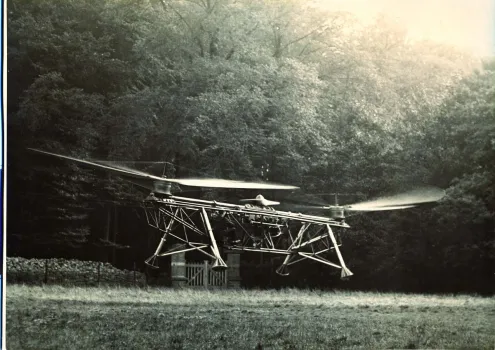
The FNRS provided financial support to Professor Nicolas Florine for the construction of the Florine II and III helicopters. The Russian engineer, a graduate in aeronautical engineering who had taken refuge in Belgium in 1920, was then working at the Belgian Aerotechnical Laboratory.

On 25 October 1933, the Florine II, piloted by engineer-pilot Robert Collin, remained airborne for 9 minutes and 58 seconds at a height of up to five metres, until it ran out of fuel.
1932

Creation of the Francqui Foundation
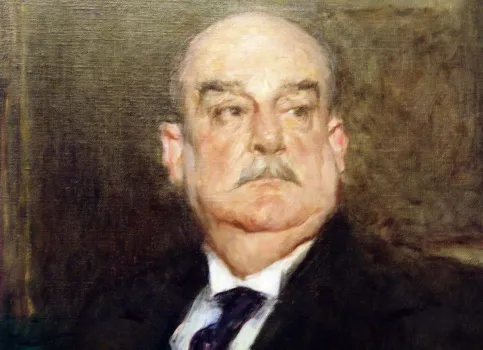
which awards fellowships to young Belgian graduates to spend time at European universities. The Foundation will go on to establish the Francqui Chair, enabling foreign scientists to teach at Belgian universities, as well as the Francqui Prize.

1932

Behaviour of Ferrous Metals at High Temperatures
A major metallurgical programme was launched to examine the behaviour of ferrous metals at temperatures ranging from 300 to 700°C. It brought together several institutions: the Thyssen laboratory in Liège, the Dustin laboratory at the Université libre de Bruxelles, the University of Labour in Charleroi, and the School of Mines in Mons.

This grant also aimed to bridge the gap with industry, which was seeking new manufacturing processes.

1931

Auguste Piccard’s Stratospheric Balloon
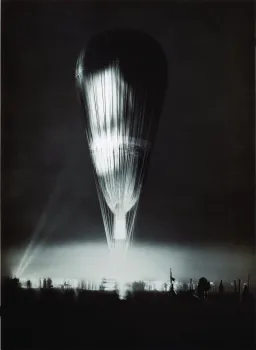
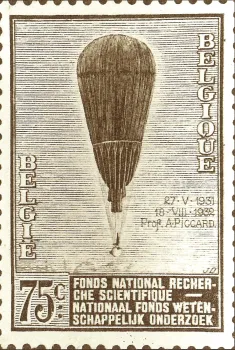
Invited by the Université libre de Bruxelles to hold the Chair of Applied Physics, the Swiss physicist Auguste Piccard received support from the FNRS to build a flying laboratory: a 30-metre-diameter hydrogen-filled balloon, from which the researcher’s gondola was suspended.

His objective was to verify the theory of the Austrian scientist Victor Hess, who maintained that cosmic radiation originated in the upper atmosphere.

The balloon, named FNRS, lifted off in May 1931 and exceeded an altitude of 15,000 metres — not without difficulty — achieving even greater success in August of the same year and again in April 1934.
The years 1920

1928

The First Funding
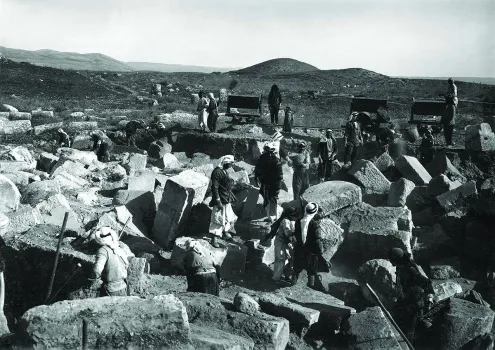
in particular go to the excavations of Apamea in Syria (Fernand Mayence, Professor at the University of Louvain and Curator of the Royal Museums of the Cinquantenaire). This first file immediately raises the nagging question of the purpose of research and the funding of projects, with or without economic "usefulness"?

1928

The Birth of the FNRS
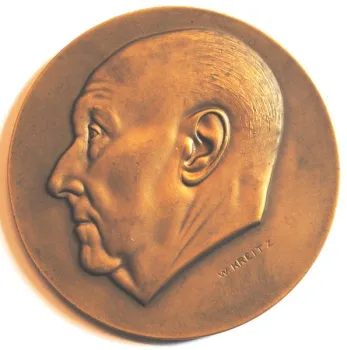
A committee chaired by Émile Francqui gave birth to the Fonds National de la Recherche Scientifique (FNRS), which took up residence at the University Foundation, rue d’Egmont in Brussels. The first President was Jean Willems.

“May it finally be understood that the researcher stands at the forefront of progress and civilisation. Through his discoveries, he provides the engineer, the chemist, and the physician with the very foundation for improving the condition of humankind. It is upon new scientific generalisations that our continuous march towards greater progress and well-being rests.”
— Émile Francqui, March 1928.
1927

Creation of a Publicity Committee
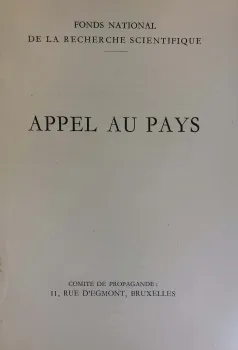
A publicity committee was created under the direction of Émile Francqui to raise funds for the establishment of the FNRS. A major fundraising campaign among the first patrons achieved spectacular results: 110 million Belgian francs were raised from the country’s largest companies (Solvay with 25 million Belgian francs, Société Générale, the National Bank, Banque d’Outremer, Banque de Bruxelles, Cockerill, etc.), as well as from hundreds of smaller contributions — such as those from a post office or a medical student — demonstrating broad public support for the new institution.

1927

The “Seraing Speech” of King Albert I
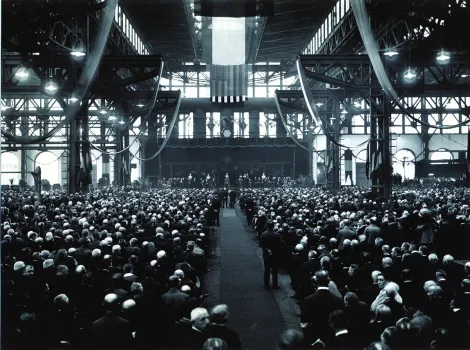
The history of the FNRS begins with King Albert I’s “Seraing Speech”, delivered on the occasion of the 110th anniversary of the John Cockerill company. In a true plea for science, the Sovereign lamented the lack of public investment in research.

“The public in our country does not sufficiently understand that pure science is the indispensable condition of applied science, and that the fate of nations which neglect science and scientists is marked for decline.”
1920

A law officially establishes the University Foundation.
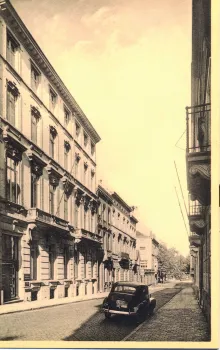
Based on American models, the Foundation became a meeting point for Belgian academics and visiting scientists in Brussels. It played a role in science communication, provided financial support for the publication of scholarly works, contributed to the updating of university libraries, and offered financial assistance to students in need.